My Work & Portfolio
A collection of projects where I've turned ideas into reality.
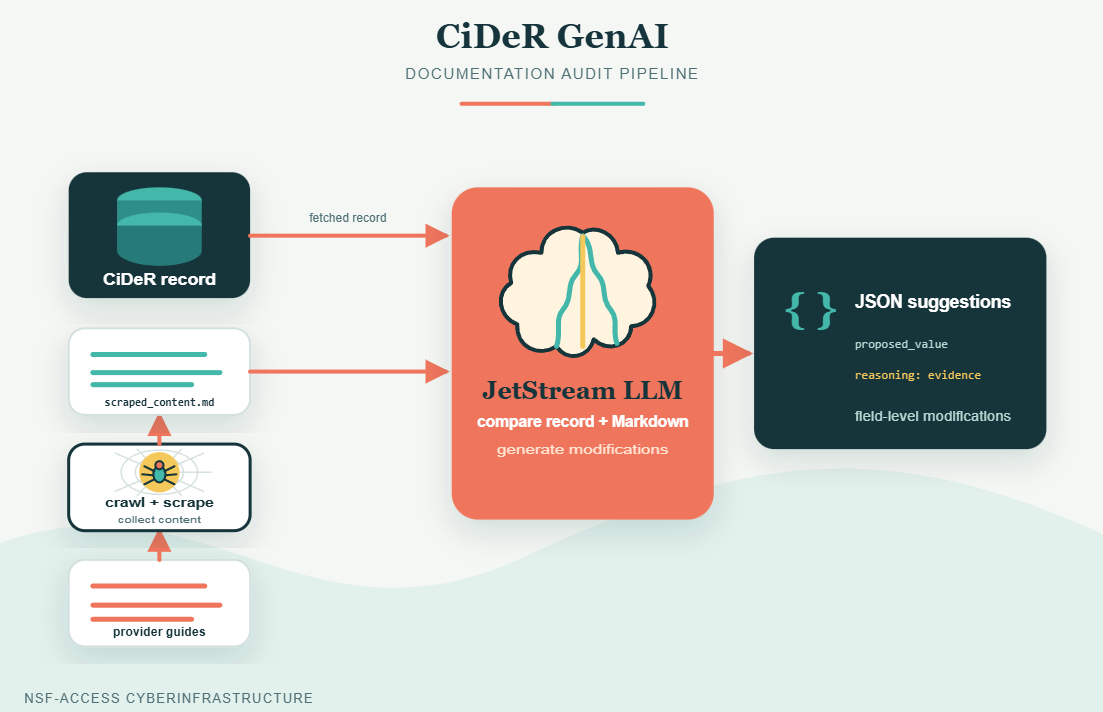
NSF-ACCESS CiDeR GenAI Tool
During my summer internship through the NSF-ACCESS STEP program at UIUC/NCSA, I developed CiDeR GenAI — an automated auditing pipeline that keeps ACCESS cyberinfrastructure resource records synchronized with Resource Provider documentation. The core problem: CiDeR database entries were manually maintained and frequently drifted from provider guides that change continuously. I integrated the CiDeR Operations API to fetch live records, built a configurable breadth-first web crawler and documentation scraper to collect provider content at scale, and deployed an LLM auditor on JetStream2 that compares each database field against scraped documentation. To eliminate hallucination risk in structured reporting, I used Pydantic schemas to constrain all LLM outputs to strict JSON — including proposed corrections, supporting evidence, and field-level modification recommendations. I also investigated the ACCESS-MCP server architecture, identified critical data synchronization gaps, and delivered findings to the operations team. The project was delivered as a fully packaged, reproducible Python MVP with documentation for seamless handoff to operations staff.
ImmiCalm (Best Business Impact Award)
Winner of Best Business Impact at Nepal-US Hackathon 2026. Co-developed ImmiCalm, a privacy-first AI immigration assistant for Nepali F-1 and H-1B visa holders in the US, for Nepal-US Hackathon 2026. Built a multi-agent LangGraph system that intelligently routes questions between FAISS-based RAG retrieval, live web search, and Gemini response generation. Created personalized dashboards, severity-based news filtering, F-1/OPT timeline tracking, myth-busting workflows, and mood-aware guidance while keeping user profile data entirely client-side for privacy.
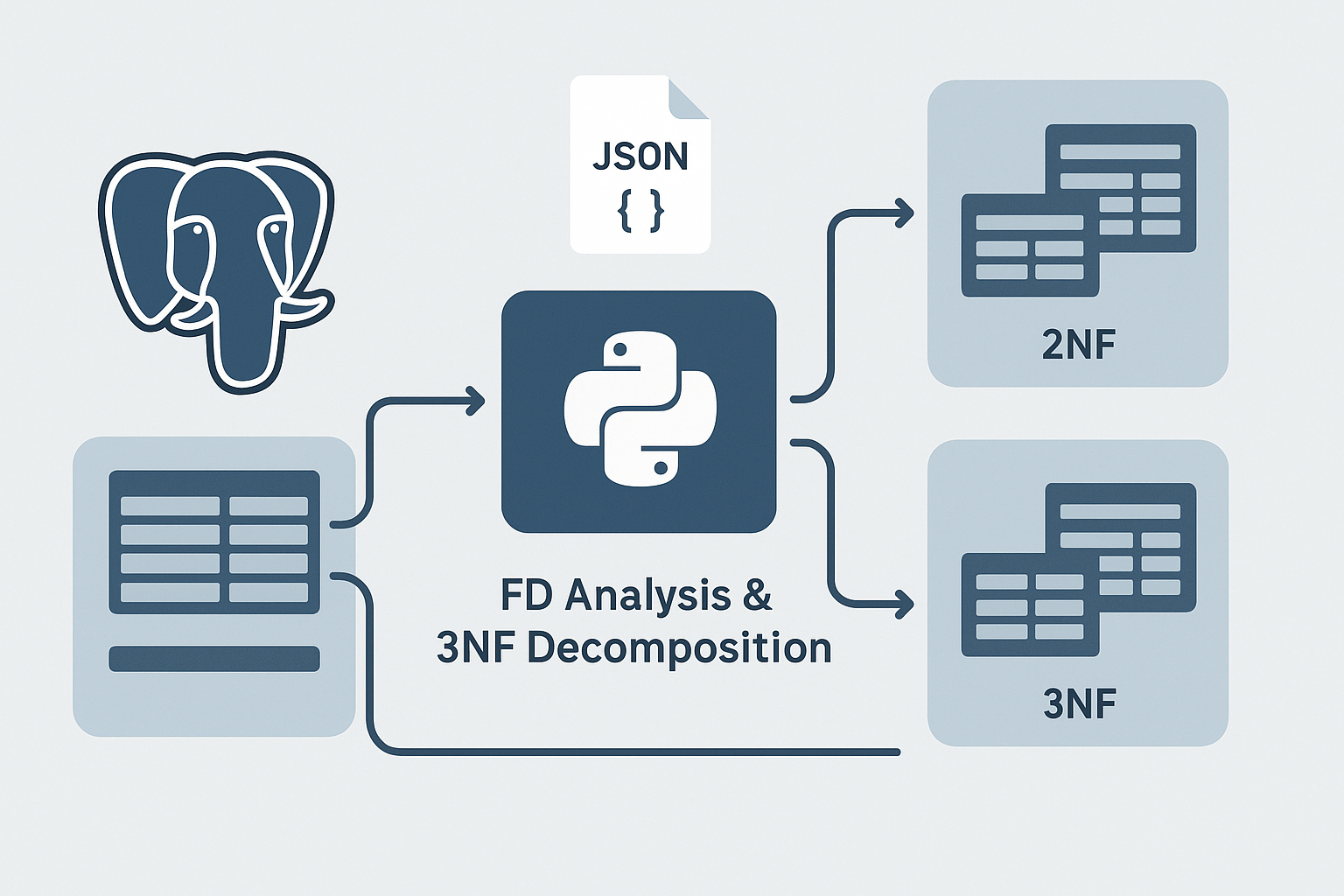
Automated Database Normalization Checker
A Python CLI tool that analyzes live PostgreSQL schemas using user-defined functional dependencies and automatically detects and decomposes relations up to Third Normal Form (3NF). Implements formal normalization algorithms inspired by database research, bridging relational theory with real-world schema design.
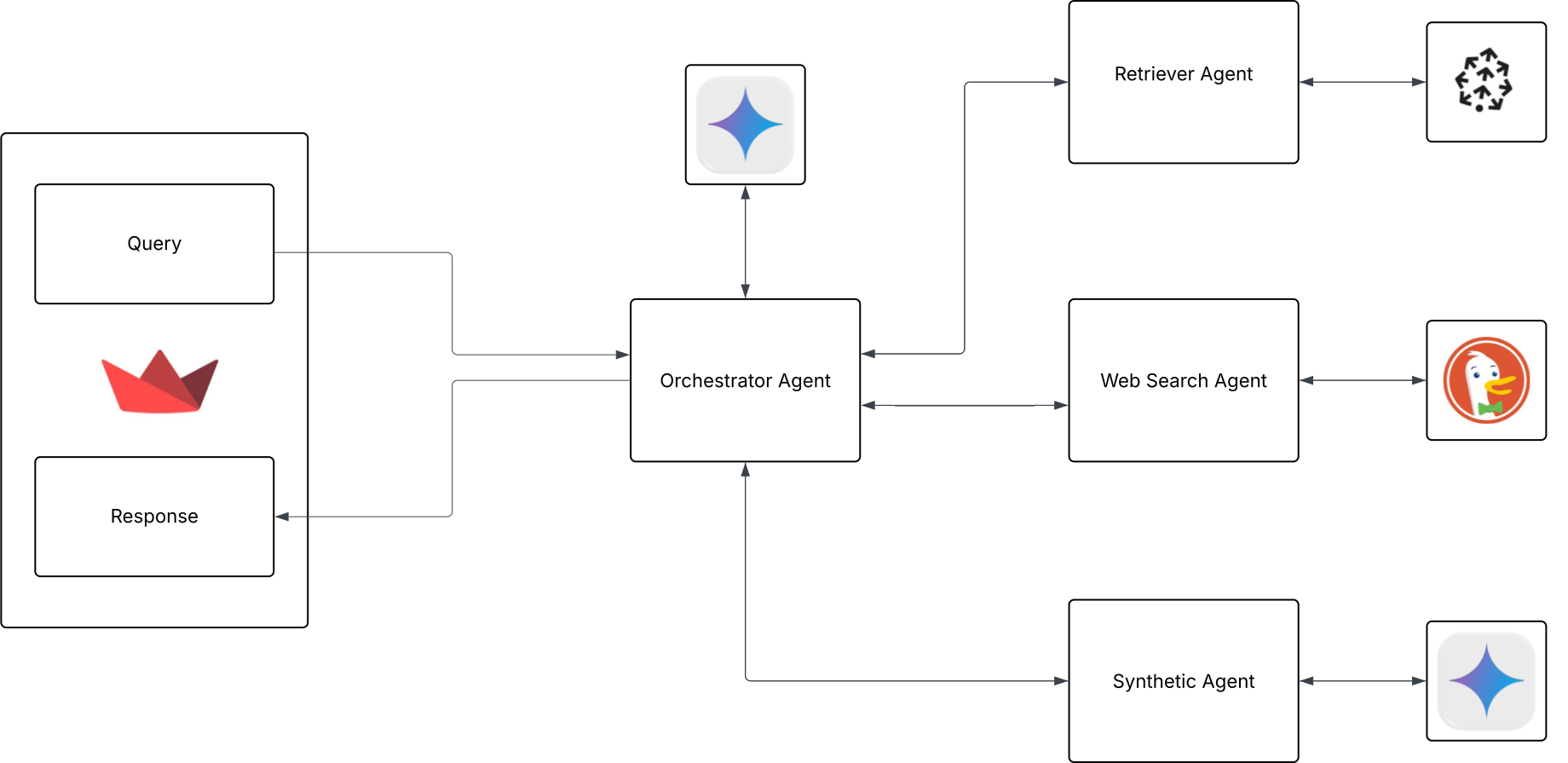
Medical Chatbot using Multi-Agentic RAG
An AI-powered chatbot that provides medical information and preliminary diagnoses using advanced NLP techniques and medical knowledge bases.
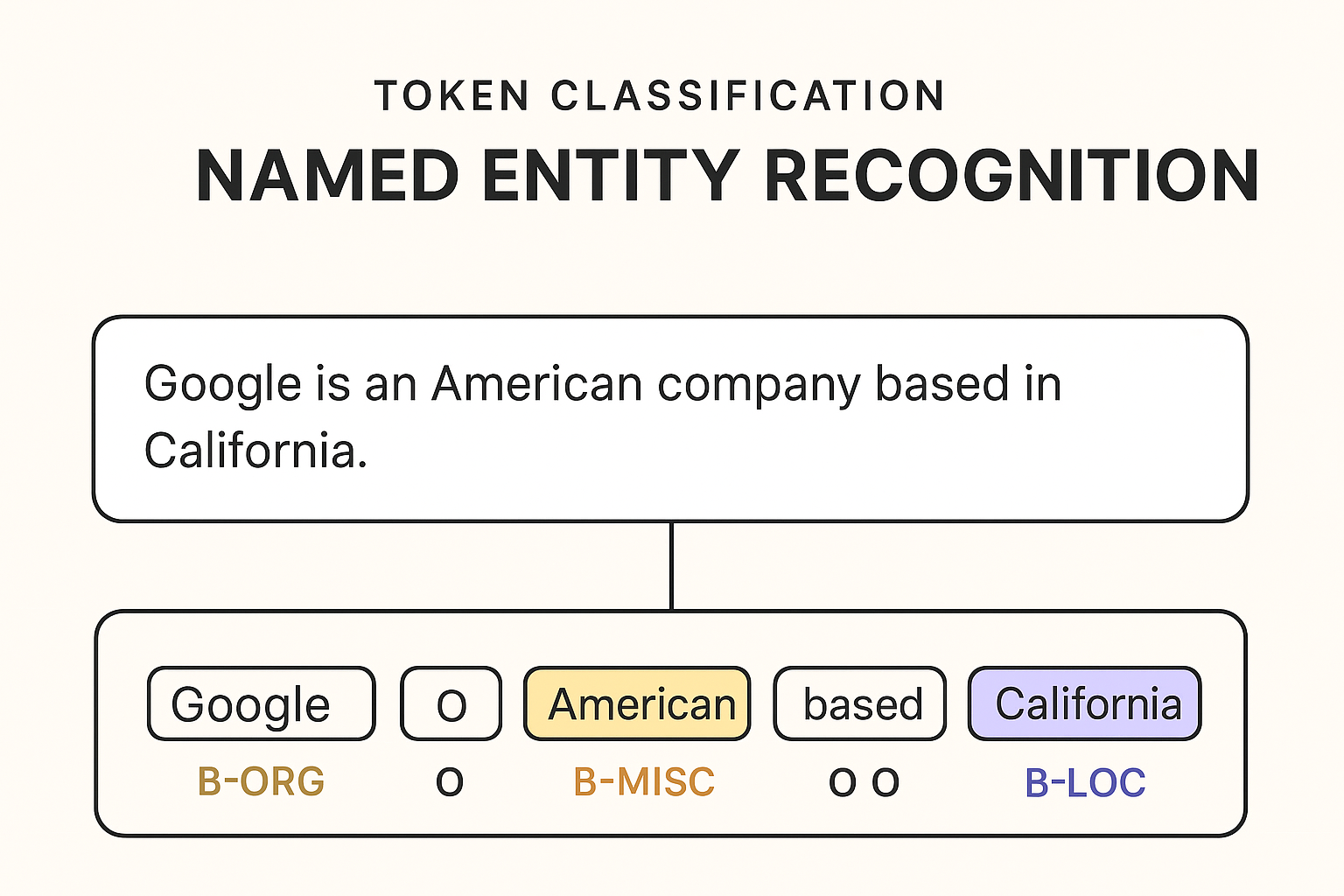
Named Entity Recognition using BERT
Fine-tuned BERT model for Named Entity Recognition, capable of identifying and classifying named entities in text with high accuracy.
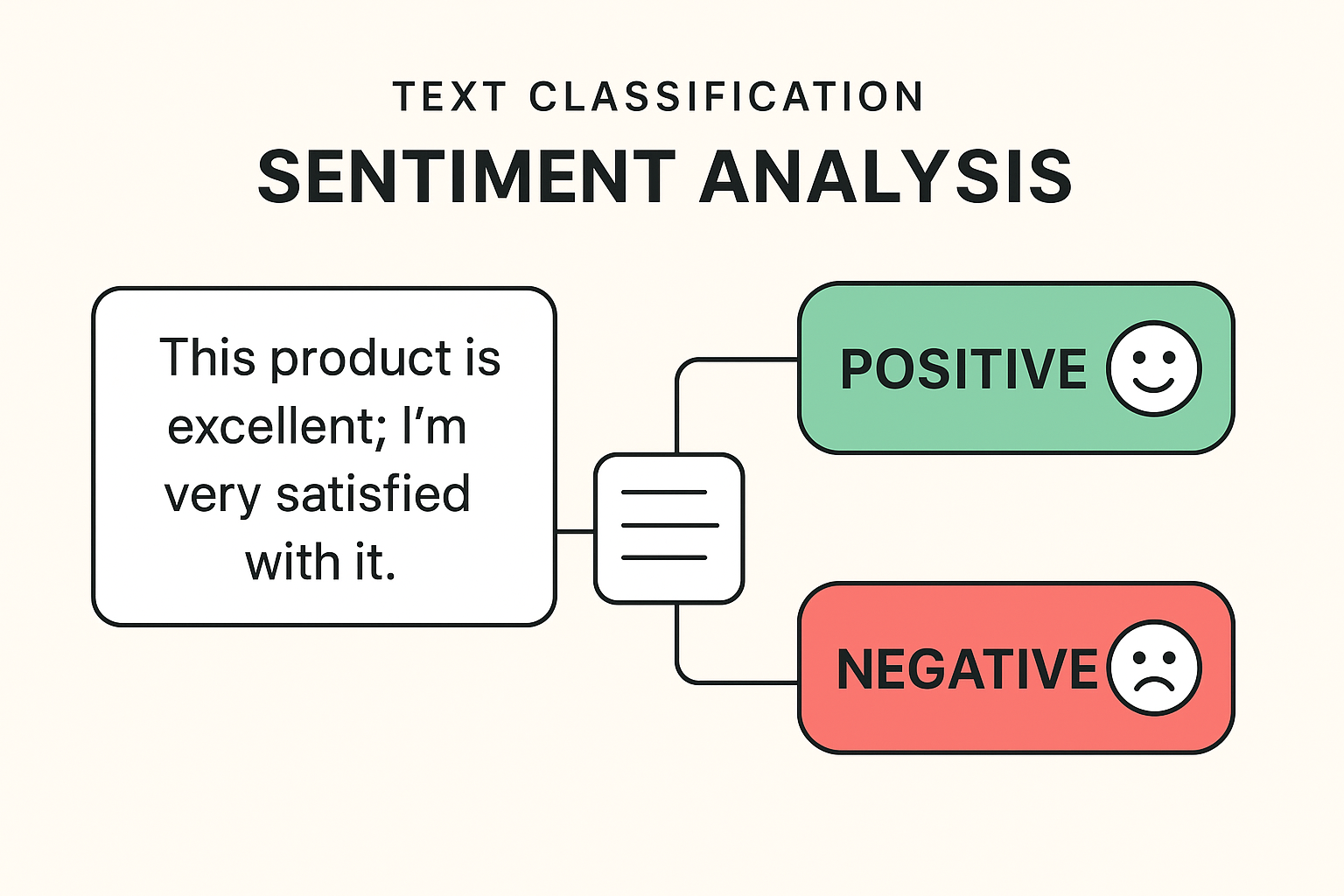
IMDB Reviews Sentiment Analysis
Deep learning model for sentiment analysis of IMDB movie reviews, using transformers to classify reviews as positive or negative.
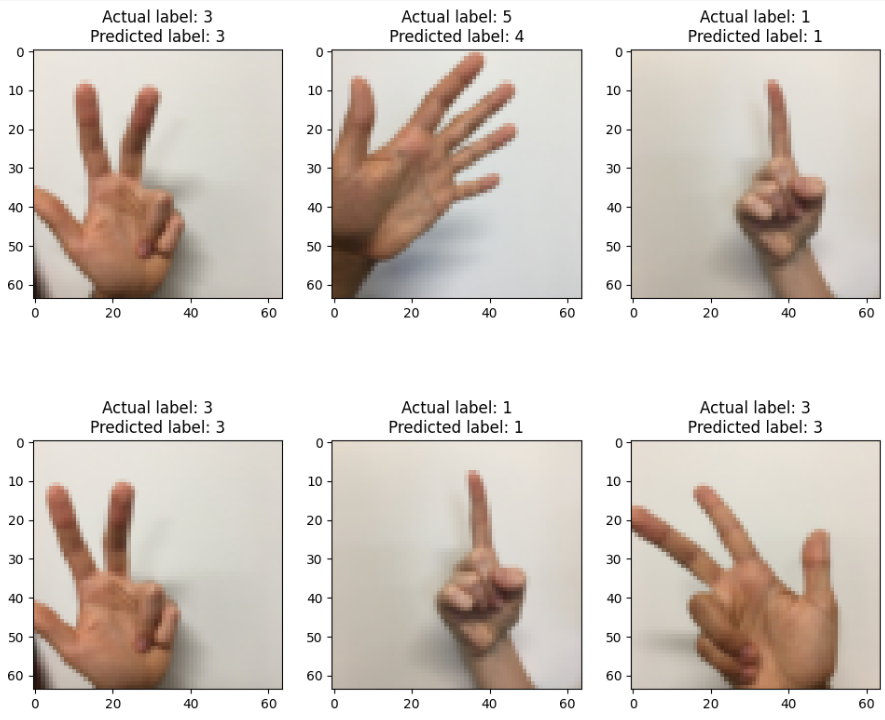
Finger Sign Recognition
Computer vision application that recognizes hand gestures and finger signs in real-time using deep learning models.
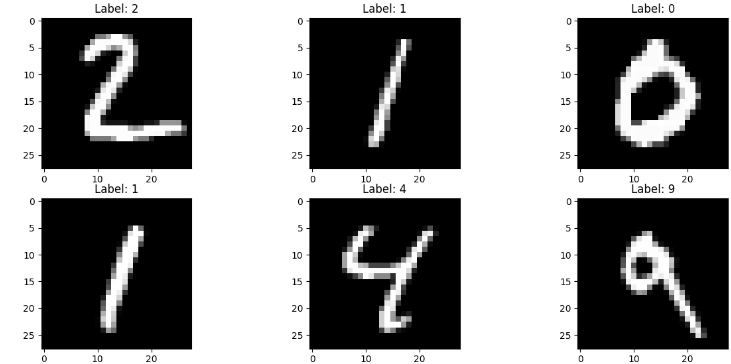
MNIST classification using MLP from Scratch
A Multi-Layered Perceptron model that classifies MNIST dataset. The model uses Cross Entropy loss for evaluation loss and Stocastic Gradient Descent (SGD) for optimization. Also, ReLU and Softmax as activation functions.
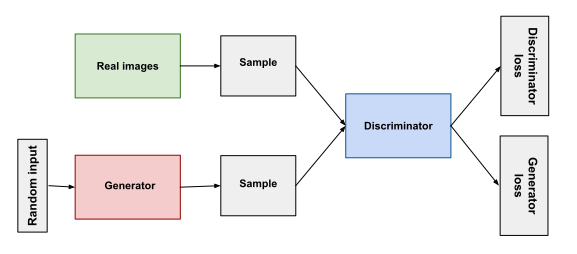
Image Inpainting using GAN
A system that makes use of GAN to restore corrupted images and restore patches in the images.
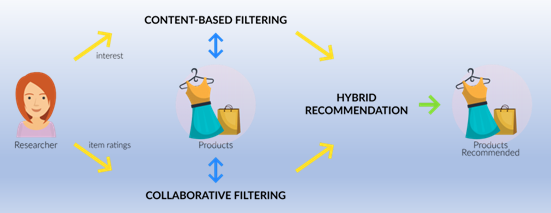
Home Decor Marketplace with Recommendation System
A home decor marketplace built using MERN stack with a recommendation system implemented using Collaborative and Content-based Filtering.